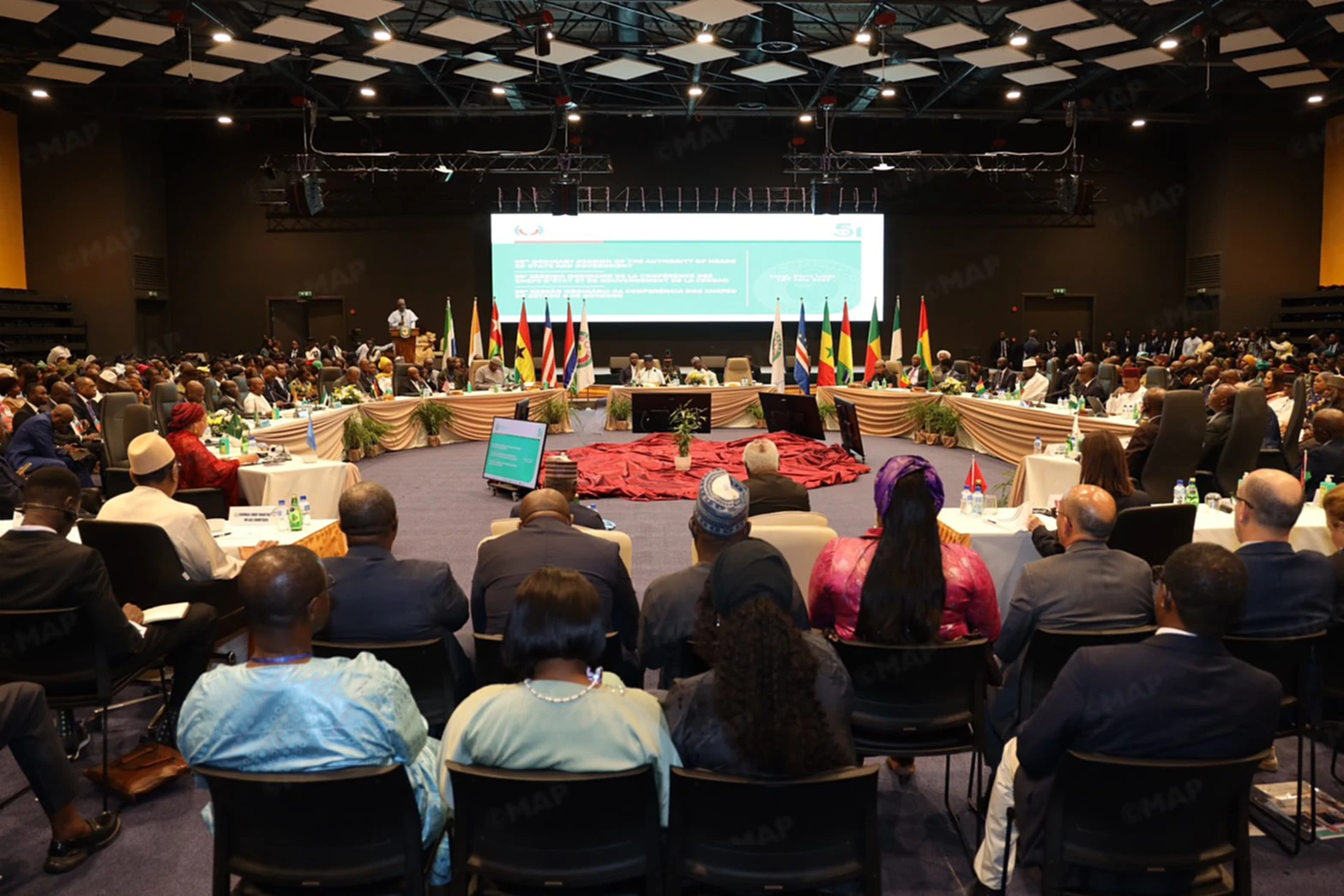

The Nigeria–Morocco African Atlantic Gas Pipeline has taken another step forward after leaders of the Economic Community of West African States (ECOWAS) endorsed the project’s Intergovernmental Agreement (IGA) during their summit held on July 19, 2026, in Freetown, Sierra Leone.
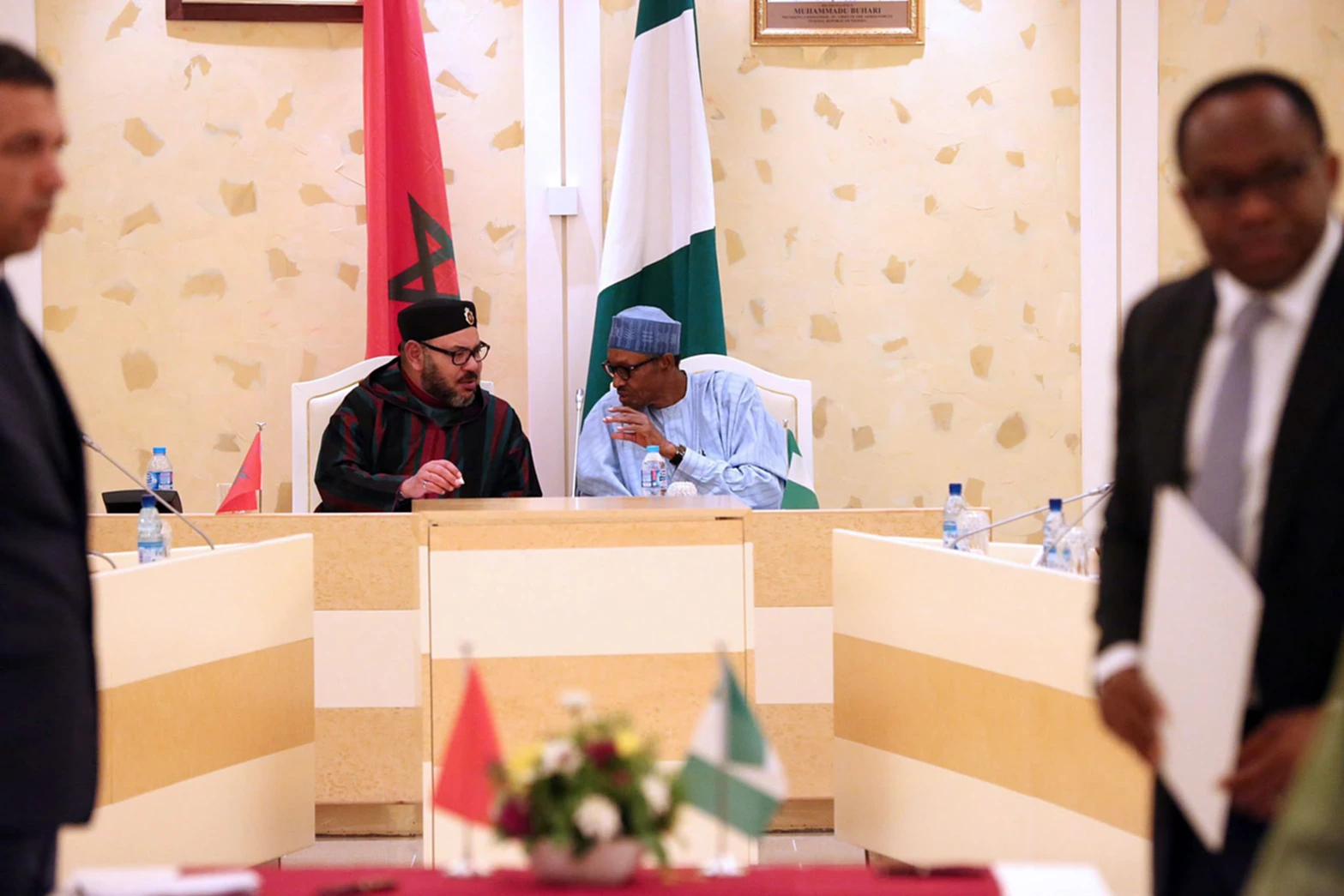
The endorsement reflects growing regional backing for what has evolved from a bilateral initiative between Morocco and Nigeria into one of Africa’s most ambitious projects. Conceived by King Mohammed VI of Morocco and former Nigerian President Muhammadu Buhari, the pipeline is jointly developed by Morocco’s National Office of Hydrocarbons and Mines (ONHYM) and the Nigerian National Petroleum Company Limited (NNPC Ltd.).
The agreement sets the stage for the project’s next phase, including the establishment of a project company in Casablanca and a Pipeline Higher Authority in Abuja. The initiative, which continues to enjoy the support of Nigerian President Bola Ahmed Tinubu, will culminate in a final signing ceremony in Morocco. During this ceremony, Morocco and Mauritania will also formalize the agreement in the presence of the President of Nigeria.
Liberian President Joseph Nyuma Boakai said that “this project is not only about energy, but also a transformative investment in the collective future of the entire region,” underscoring the Nigeria–Morocco African Atlantic Gas Pipeline’s broader significance as a catalyst for regional integration, sustainable development, and shared prosperity across West Africa. Speaking during the summit, ECOWAS Commission President Omar Alieu Touray described the pipeline as one of the most transformative initiatives undertaken in the West African region, highlighting its potential to strengthen regional cooperation and economic connectivity. Sierra Leone’s Minister of Foreign Affairs Timothy Kabba also emphasized the project’s strategic importance, noting its capacity to contribute to deeper integration across West Africa.
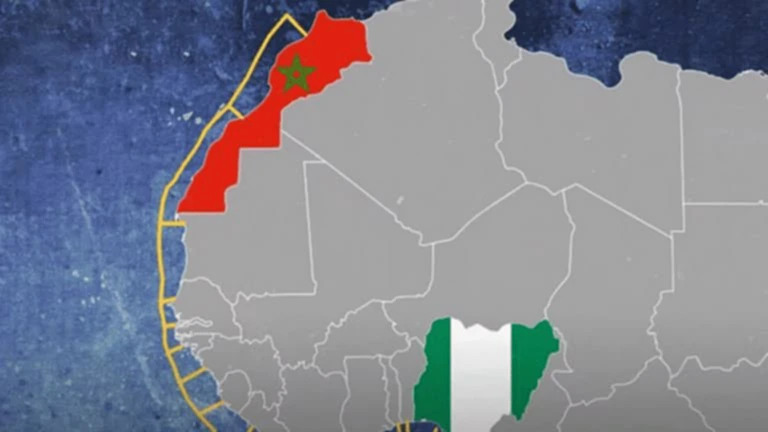
Stretching nearly 6,800 kilometers across 13 countries along Africa’s Atlantic coast, the pipeline will connect Nigeria to Morocco before linking with the European gas network. With an annual capacity of 30 billion cubic meters, the project is expected to improve regional energy security, integrate West African gas markets, support industrialization and electricity generation, while creating a strategic export corridor to Morocco and Europe.
Estimated at around $25 billion, the African Atlantic Gas Pipeline is entering its operational development phase following the completion of its engineering, environmental and technical studies, according to ONHYM and NNPC Ltd.
Beyond its energy dimension, the initiative is increasingly viewed as a catalyst for regional economic integration and long-term investment, reinforcing West Africa’s position within Africa’s evolving economic landscape and strengthening the continent’s role in global energy supply chains.